
Smoke alarms are essential for early fire detection, but what about other dangers like gas leaks? Many homeowners assume their smoke alarm will alert them to any household hazard—but that’s not always the case.
So, do smoke alarms detect gas leaks? The short answer is no. In this article, we’ll explain why smoke alarms can’t detect gas, the difference between a gas detector and a smoke alarm, and how to properly protect your home from gas-related risks.
What Is a Gas Leak?
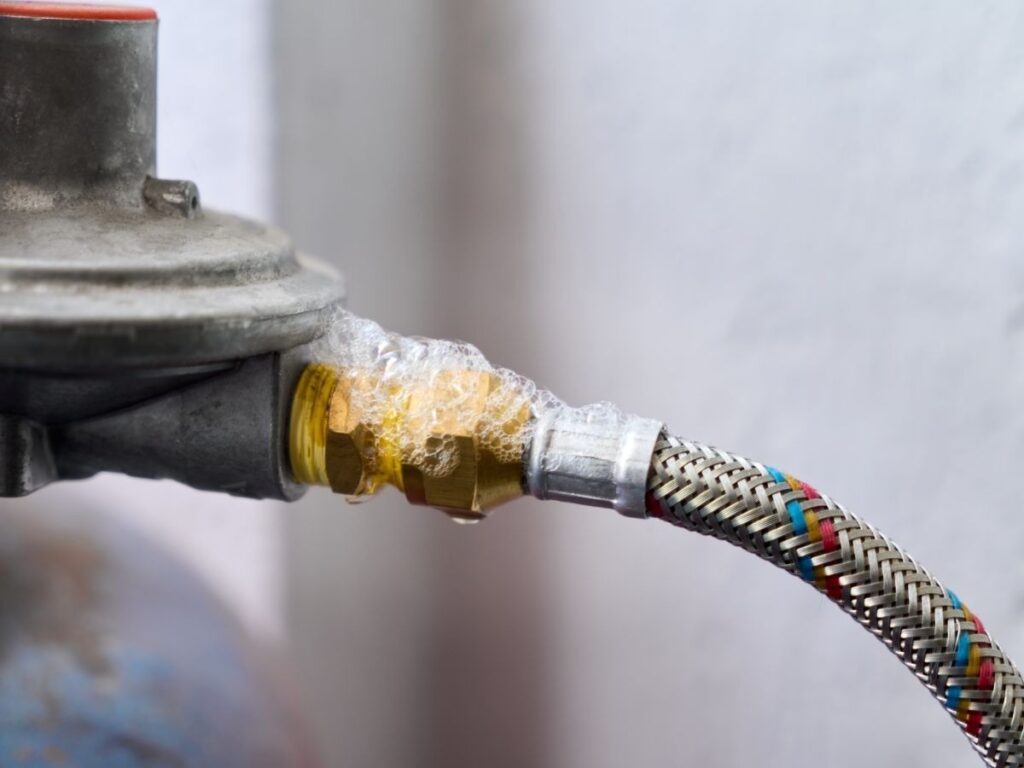
A gas leak occurs when fuel gas—such as natural gas (methane) or LPG (liquefied petroleum gas)—escapes from an appliance, pipe, or connection. These gases are highly flammable and can be dangerous to your health or safety if not detected early.
Common sources of gas leaks in NZ homes include:
- Gas heaters and cooktops
- Gas fireplaces or water heaters
- Damaged or corroded gas lines
- Poorly installed or maintained appliances
Natural gas is odourless in its pure form, but a distinctive smell (often described as rotten eggs) is added to help identify leaks.
Can a Smoke Alarm Detect a Gas Leak?
No, standard smoke alarms—including photoelectric smoke alarms like those in the Cavius range—do not detect gas. They are designed to sense smoke particles, which are airborne byproducts of combustion. Their sensor technology cannot detect the presence of gas in the air.
Why Not?
Photoelectric smoke alarms operate by using a light beam to detect smoke particles that scatter light within a chamber. Gas, on the other hand, is invisible and does not disrupt this light beam. It requires a different type of sensor—usually an electrochemical or semiconductor sensor—to detect gas molecules in the air.
If you want to protect your home against gas leaks, you need a dedicated gas detector or carbon monoxide (CO) alarm, depending on the type of gas you’re using and the risk you want to monitor.
Smoke Alarm vs. Gas Leak Detector
Here’s a breakdown of the differences between the two devices:
Smoke Alarm
- Detects visible smoke particles from fires
- Required in all NZ homes
- Best placed in bedrooms, hallways, and living areas
- Responds to fire, not gas
Gas Leak Detector
- Detects gas (e.g. methane, propane, LPG) in the air
- Alerts you to leaks from gas appliances or pipes
- Typically installed in kitchens, laundry rooms, or near gas cylinders
- Not required by law, but recommended for homes using gas
Carbon Monoxide Alarm
- Detects CO gas, produced by incomplete combustion
- Ideal for homes with gas heaters or fireplaces
- Cannot detect LPG or natural gas leaks
If you’re unsure which alarm is right for you, talk to your gas supplier or a licensed gasfitter about your home’s needs.
What to Do If You Suspect a Gas Leak
If you ever suspect a gas leak:
- Turn off the gas supply at the main valve immediately.
- Open doors and windows to ventilate the area.
- Avoid using electrical switches or open flames.
- Evacuate the building if the smell is strong or symptoms occur (such as dizziness or nausea).
- Contact your gas provider or emergency services for assistance.
Never rely on a smoke alarm to detect or alert you to gas leaks.
Should You Install a Gas Leak Detector?
If your home uses LPG bottles, piped natural gas, or gas-powered appliances, a dedicated gas detector is a smart investment—especially in confined spaces like kitchens or utility rooms.
While Cavius NZ does not currently manufacture gas detectors, we strongly support the use of fit-for-purpose devices that help create a safer home environment. Your fire detection system and your gas detection system should work together, not one in place of the other.
Smoke alarms are still essential for protecting against house fires, and must be installed as per NZ requirements. For smoke alarm options that meet NZ standards, view our full product range.
Final Thoughts
So, do smoke alarms detect gas leaks? No—they are designed for smoke, not gas. If your home uses gas, it’s important to install a dedicated gas leak detector or carbon monoxide alarm depending on your specific setup.
And remember: while gas alarms add an extra layer of protection, smoke alarms remain essential in every room where people sleep, relax, or gather.
To learn more about setting up your home with compliant smoke alarms, explore the Cavius NZ product range or visit our news section for more home safety tips.