News
On Point Distribution Partners a wholly owned New Zealand company, have been providing quality fire safety products for over 15 years.
Interconnection is no longer optional on a New Zealand new build, but the standard does not tell you which method to use to achieve it. NZS 4514:2021 permits both wireless and hardwired interconnected smoke alarm systems, which leaves the actual decision to the builder, electrician, or specifier on each individual...
- General
A callback for a beeping alarm or a warranty query is rarely a big job, but it is an expensive one. It means a site revisit, a customer waiting at home, and time pulled away from paying work, often for something that could have been resolved with a phone call....
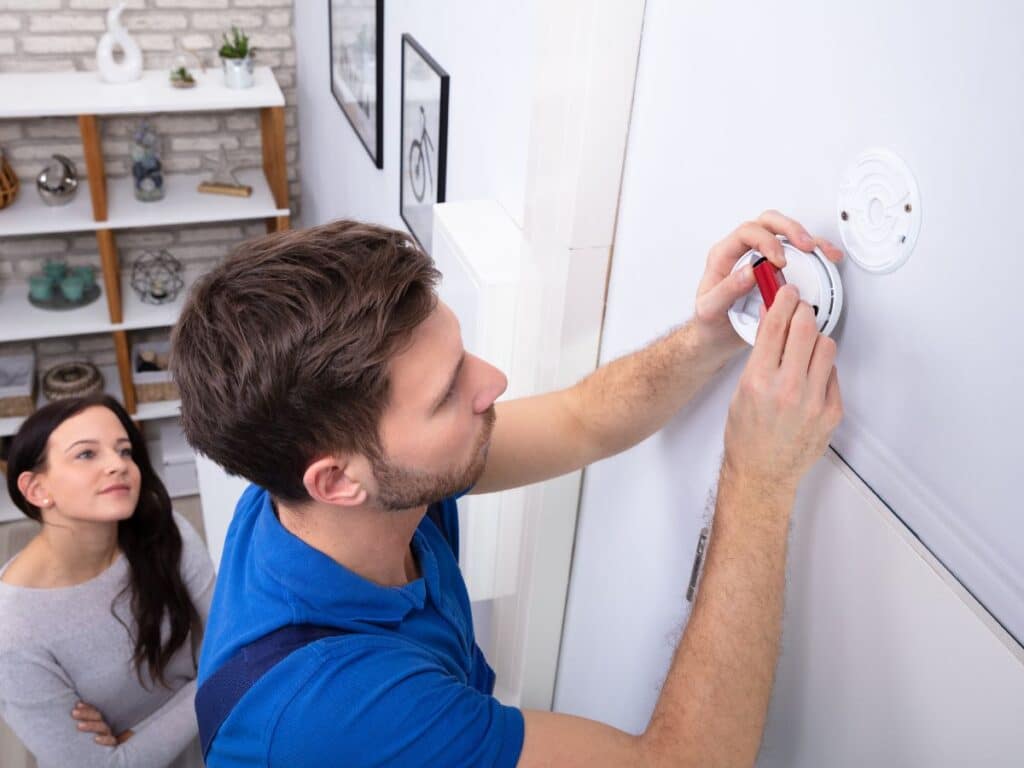
The Most Common Cause: Low Battery For most alarms, a chirp roughly every 30 to 40 seconds is a low battery warning. It is designed to be noticeable and slightly annoying, since a genuinely flat battery leaves the home unprotected. If your alarm takes a replaceable battery, swapping it and...
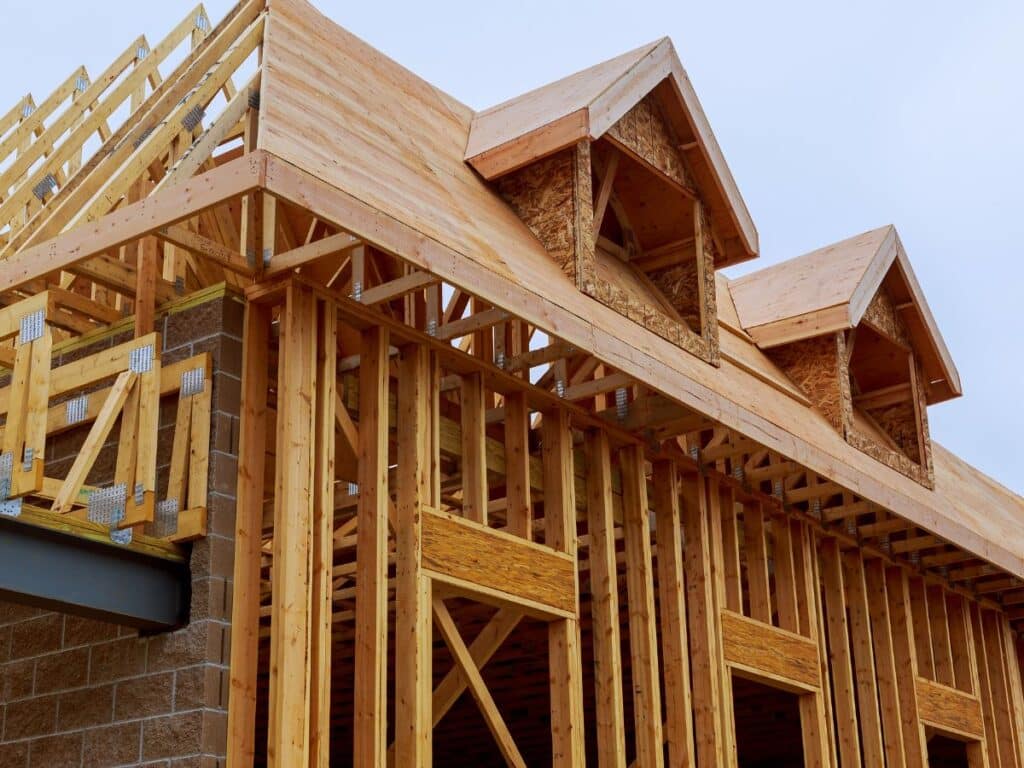
Getting the smoke alarm specification wrong on a new build is one of the more avoidable ways to hold up a code compliance certificate. It is also one of the easiest things to get right, provided the specification is locked in before the electrical rough-in stage rather than treated as...
The Healthy Homes Standards get most of their attention for insulation and heating, but the smoke alarm requirements sitting alongside them carry the same weight, and the same penalties for getting it wrong. If you manage rental property in New Zealand, this is one compliance area worth checking properly rather...
A homeowner calling to say their smoke alarm is “faulty” could mean half a dozen different things, from a flat battery to a genuine unit failure. How you handle that first call determines whether it costs you a ten-minute phone conversation or an unpaid site revisit. Start With What the...
Checking one rental property for smoke alarm compliance is a manageable task. Checking fifteen, or fifty, with different ages, different previous owners, and different alarm types already installed, is a different problem entirely. The requirements do not change with portfolio size, but the way you manage them has to. Why...
This is one of the most common questions we hear from both sides of a tenancy, and the confusion is understandable, since both landlord and tenant do carry some responsibility. The split, however, is clearly defined in law, and it is not an even split. The Landlord’s Responsibilities Under the...
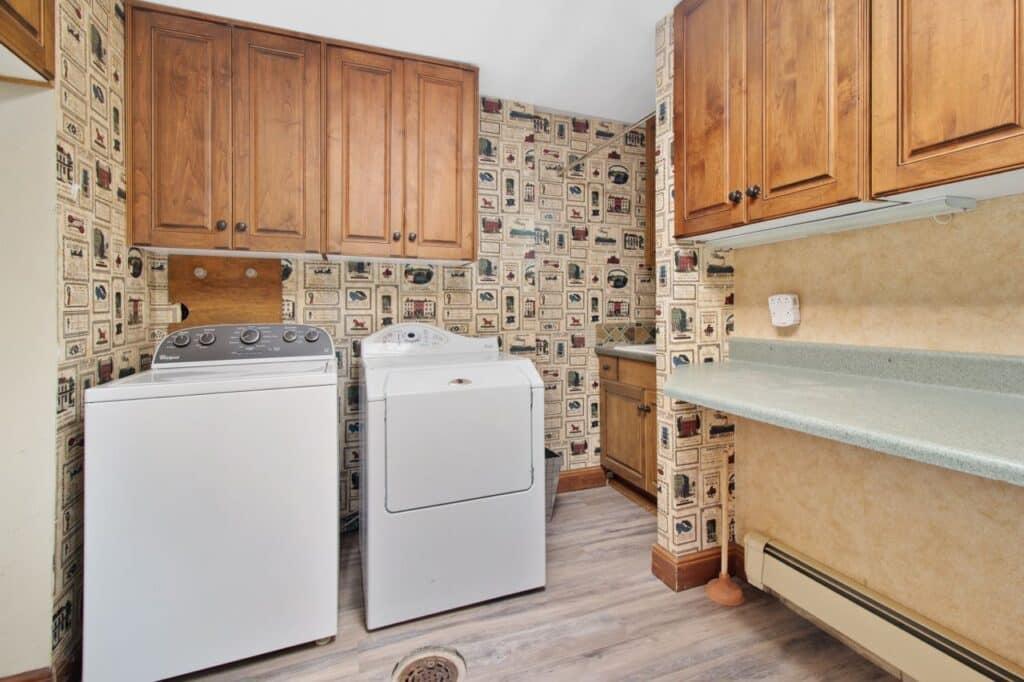
Not every room in a home is suited to the same type of alarm. Laundries, garages, and utility cupboards all generate the kind of airborne particles, steam, and fumes that regularly set off a standard smoke alarm for no real reason, and a smoke alarm that trips every time the...
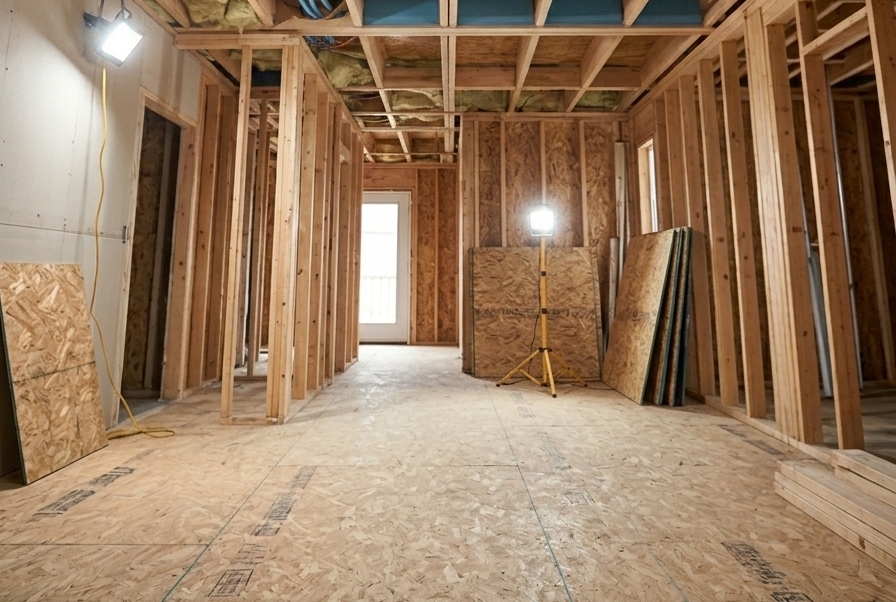
A renovation changes the risk profile of a home overnight. Wiring is exposed, dust hangs in the air, flammable materials get stored on site, and the smoke alarms that normally protect the household may be covered in dust sheets or switched off altogether. We see this pattern often, and it...
Introduction If you are a licensed electrician in New Zealand, you have almost certainly dealt with a smoke alarm callback. A client calls to say their alarm is chirping, flashing, or sounding unexpectedly. You have already invoiced the job. The installation was compliant and professionally done. But now you are...
Introduction Smoke alarm specification is one of those items in a new build project that can appear straightforward on paper but create real friction at consent and sign-off if it is not handled correctly from the start. Get it right at the specification stage and it is a tick in...
Introduction Most New Zealanders know they are legally and morally obligated to have working smoke alarms in their home. What fewer people realise is that smoke alarms also have a direct bearing on their insurance position. A missing alarm, a disabled alarm, or a non-compliant installation can affect whether an...
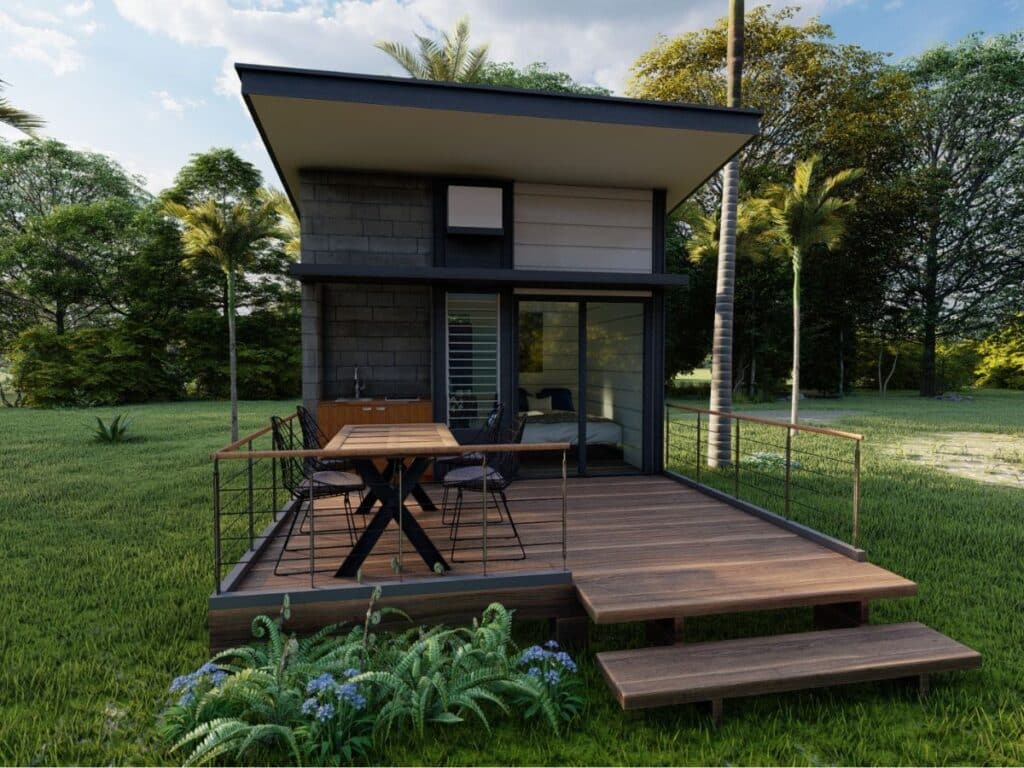
Introduction Secondary dwellings are increasingly common across New Zealand. Whether it is a sleepout at the back of the section, a converted garage, a self-contained granny flat, or a compact tiny home, these spaces are being used as permanent or semi-permanent living quarters for family members, tenants, or short-term guests....
Building a new home in New Zealand is a significant undertaking, and fire safety is one area where the requirements are both specific and non-negotiable. The NZ Building Code sets out clear obligations for smoke alarm type, placement, and interconnection, and these apply from the moment a building consent is...
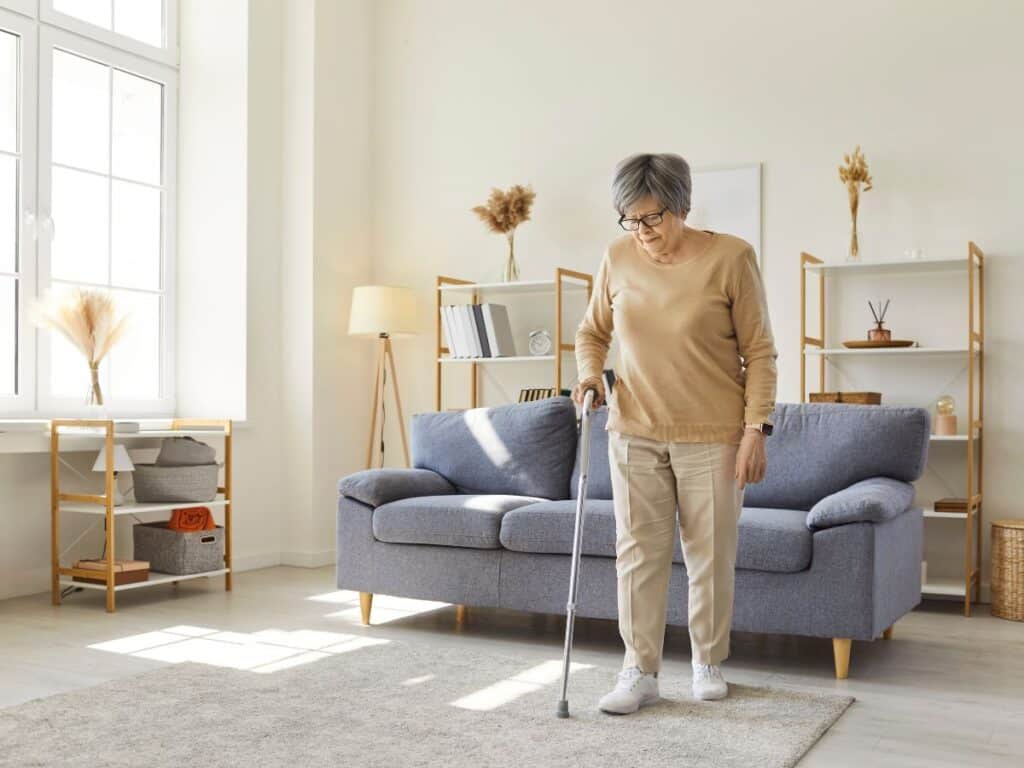
For older New Zealanders living independently, fire safety is a topic that deserves more attention than it typically receives. Statistically, elderly people face a disproportionately higher risk of fire-related injury or death in the home. Slower evacuation times, reduced mobility, deeper sleep patterns, and the effects of some medications all...