
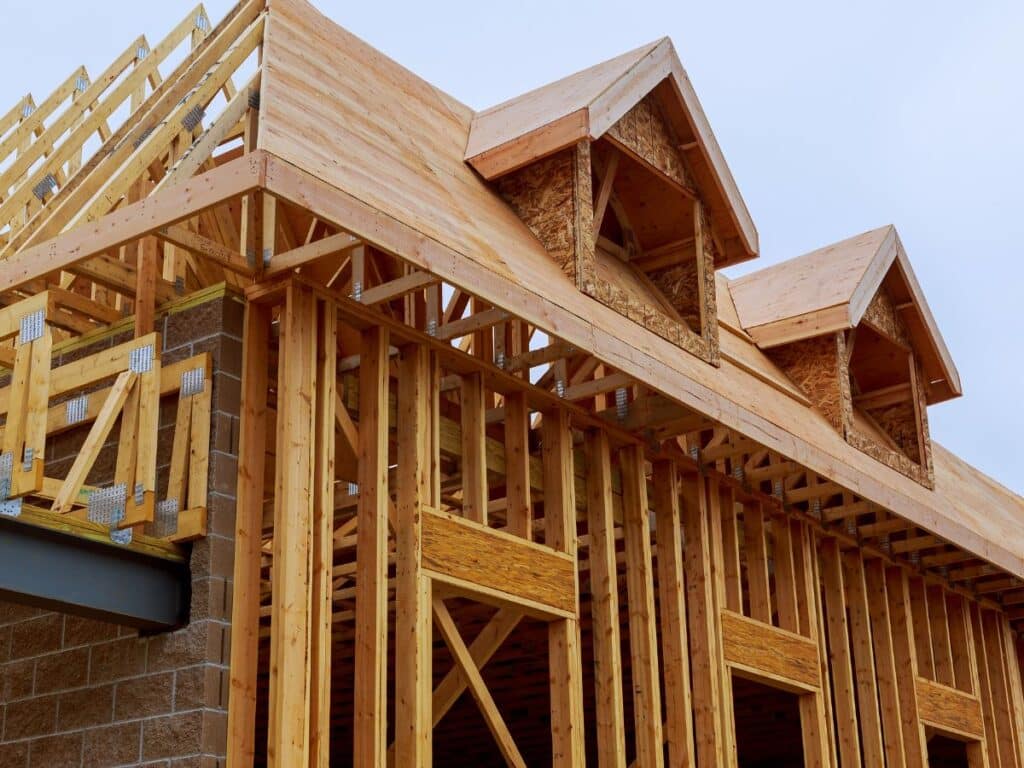
Building a new home in New Zealand is a significant undertaking, and fire safety is one area where the requirements are both specific and non-negotiable. The NZ Building Code sets out clear obligations for smoke alarm type, placement, and interconnection, and these apply from the moment a building consent is granted.
For homeowners, builders, and developers, getting this right at the construction stage is far easier than retrofitting later. This guide covers everything you need to know about fire safety alarm requirements for new builds and consented renovations in New Zealand.
The Regulatory Framework
Fire safety requirements for residential buildings in New Zealand are governed by the NZ Building Code, specifically Clause F7 (Warning Systems), and the referenced standard NZS 4514:2021 (Interconnected Smoke Alarms for Houses). Full details are available on our NZ Building Code page, but the key points for new builds are as follows.
All smoke alarms installed in new builds and homes undergoing consented renovation work must be:
- Compliant with AS 3786:2014 or an equivalent recognised standard
- Interconnected, so that when one alarm activates, all alarms in the home sound simultaneously
- Either hardwired (mains-powered) or long-life battery-powered (10-year sealed lithium)
- Photoelectric in detection technology
- Positioned according to the placement rules set out in NZS 4514:2021
These requirements represent a significant upgrade from the older standard, which permitted standalone, non-interconnected alarms with replaceable batteries. For anyone building or doing substantial renovation work today, these rules apply from the outset.
Alarm Types Required in a New Build
Smoke alarms
Photoelectric smoke alarms are required in all living areas, hallways, and bedrooms. They must be interconnected with all other alarms in the home.
Heat alarms
Heat alarms are required in kitchens and sculleries that are separated from living areas by a door. They are also recommended for garages and laundries. Heat alarms integrate into the same wireless interconnected network as smoke alarms. Our wireless heat alarms are fully compatible with the CAVIUS wireless smoke alarm system.
Carbon monoxide alarms
While not currently mandated under NZS 4514:2021, carbon monoxide alarms are strongly recommended in homes with gas appliances, wood burners, or attached garages. Our carbon monoxide alarms include combination smoke and CO units for streamlined installation.
Placement Rules for New Builds
Correct placement is as important as alarm type. Installing a compliant alarm in the wrong location can result in a failed inspection or, more critically, a delayed response in a real fire.
Minimum placement requirements under NZS 4514:2021:
- At least one alarm on every level of the home
- One alarm within 3 metres of every bedroom door, measured along the ceiling
- One alarm in every bedroom (strongly recommended and required in some configurations)
- One alarm in every living area
- Alarms in all internal hallways that connect sleeping areas to the rest of the home
Placement restrictions to observe:
- Not within 50cm of a wall or ceiling junction (unless mounted on an angled ceiling)
- Not within 100cm of an air conditioning unit, heat pump, or HVAC vent
- Not within 40cm of a ceiling fan
- Not within 50cm of an LED light fitting
- Not directly above a cooking surface
For open-plan kitchen and living areas, position the smoke alarm as far from the cooking zone as practical, and install a heat alarm in or near the kitchen zone itself.
Interconnection: Hardwired vs Wireless
The Building Code requires interconnection but does not specify whether it must be hardwired or wireless. Both approaches are compliant, provided the alarms themselves meet the required standard.
Hardwired interconnection
Mains-powered alarms are wired directly into the home’s electrical system with a backup battery for power outages. They require a licensed electrician to install. Our mains powered smoke alarms support wireless RF interconnection alongside the hardwired connection, so additional battery-operated alarms can be added to the network without cabling.
Wireless interconnection
Battery-operated wireless alarms communicate via radio frequency and do not require cabling between units. They can be installed by a homeowner or builder and are fully compliant for new builds when using alarms that meet the required standard. Up to 50 CAVIUS wireless alarms can be linked within a single property.
Working with Your Builder
If you are building a new home, fire safety alarm placement should be confirmed with your builder before interior linings go in. Key considerations:
- Confirm the number and placement of alarms required under your consent conditions
- Decide on hardwired vs wireless at the framing stage to avoid chasing cables later
- Ensure the alarm specification is included in your fitout schedule
- Obtain and retain compliance documentation for each alarm unit installed
For renovations, any work requiring a building consent triggers the interconnection and long-life battery requirements for all new alarms installed as part of that project.
Key Takeaways
Fire safety compliance for new builds in New Zealand is straightforward when planned from the start. The core requirements are:
- Photoelectric smoke alarms in all living areas, bedrooms, and hallways
- Heat alarms in kitchens, sculleries, garages, and laundries
- All alarms interconnected, either hardwired or via wireless RF
- Long-life sealed batteries or mains power
- Placement aligned with NZS 4514:2021 rules
On Point Distribution supplies CAVIUS alarms through trade and retail channels across New Zealand. You can find a stockist via our Where to Buy page, or contact our team directly for specification advice on larger projects.