
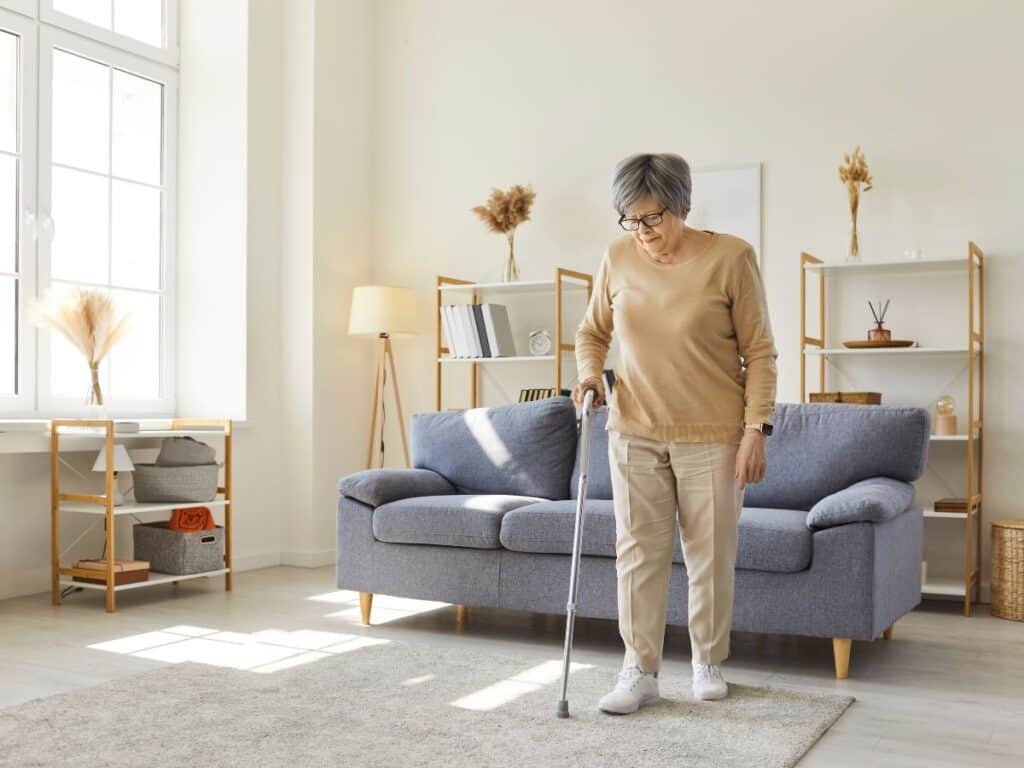
For older New Zealanders living independently, fire safety is a topic that deserves more attention than it typically receives. Statistically, elderly people face a disproportionately higher risk of fire-related injury or death in the home. Slower evacuation times, reduced mobility, deeper sleep patterns, and the effects of some medications all contribute to this increased vulnerability.
The good news is that the right smoke alarm setup, combined with a clear and simple evacuation plan, can significantly reduce that risk. This article is aimed at elderly individuals living alone or semi-independently, and at family members or carers who want to help them make their home safer.
Why Elderly People Face Higher Fire Risk
Understanding the specific risk factors helps in designing an appropriate response:
- Hearing loss can make it harder to detect an alarm sounding in another room, or at night when in deep sleep
- Reduced mobility means evacuation takes longer, which reduces the available escape window
- Some medications affect alertness and reaction time, particularly at night
- Cooking is one of the most common causes of residential fires, and cooking habits that have developed over decades can be difficult to change
- Older homes are more likely to have outdated or expired smoke alarms, or no interconnection between alarms
- Living alone means there is no other household member to raise the alarm or assist with evacuation
Getting the Alarm Setup Right
Install alarms in all the right places
The most important step is ensuring there is a working alarm within earshot of every sleeping and living area. At minimum, this means one alarm on each level of the home, one within 3 metres of each bedroom door, and one in each living area. A heat alarm should be installed in the kitchen, garage, and laundry. Our room-by-room guide on how to choose the right alarm for each space explains the full placement logic.
Interconnect all alarms
For elderly people, particularly those with hearing loss or who sleep with doors closed, interconnection is critical. When any alarm in the home triggers, every alarm sounds simultaneously. This ensures an alarm activating in the kitchen or garage is as audible in the bedroom as it would be in the room of origin.
CAVIUS wireless alarms, available through On Point Distribution, interconnect via radio frequency with no cabling required. Up to 50 alarms can be linked in a single home. View the wireless interconnected alarm range for compatible options.
Consider a strobe or vibrating alarm for significant hearing loss
For people with significant hearing impairment, standard audible alarms may not be sufficient. Strobe-light alarms and bed-shaker units that pair with a wireless smoke alarm system provide a tactile and visual alert. If hearing loss is a significant factor, discuss specialist alarm options with an audiologist or fire safety professional.
Use 10-year sealed battery alarms
Sealed long-life battery alarms remove the need for annual battery replacement. For elderly people living alone, the risk of a battery not being replaced when the chirping warning sounds is real. A 10-year sealed unit eliminates this maintenance step entirely. View our battery operated smoke alarm range for available options.
Testing and Maintenance
A smoke alarm that is not working provides no protection at all. For elderly people living alone, alarm maintenance is an area where family members and carers can provide meaningful support.
- Test every alarm in the home monthly by pressing the test button
- Check that each alarm’s LED indicator is flashing regularly (every 48 seconds in normal operation)
- Vacuum the alarm chamber gently every six months to remove dust buildup
- Replace the entire alarm unit at the 10-year mark, or earlier if the alarm fault-chirps or fails the test button check
- Keep a simple log of alarm locations, installation dates, and test dates somewhere accessible, such as on the fridge
If a family member or carer visits regularly, making a monthly alarm test part of the visit routine is a simple and effective way to stay on top of maintenance.
Planning for Evacuation
An alarm is only as useful as the plan that follows it. For older adults, evacuation planning needs to account for physical limitations honestly and practically.
Key principles for an elderly-friendly evacuation plan:
- Identify the two safest exit routes from every room, particularly bedrooms
- Ensure exit pathways are clear of clutter, furniture, and tripping hazards at all times
- Keep a torch or phone within easy reach of the bed at night
- If mobility aids (a walker or wheelchair) are needed, ensure they are stored where they can be reached quickly from bed
- Practice the escape route at a walking pace at least once a year
- Identify a neighbour or nearby contact who can be called on in an emergency
- Ensure your address is clearly visible from the street so emergency services can find your home quickly
If you cannot evacuate independently
For people with significant mobility limitations, the plan should acknowledge this honestly. Identify the safest room to wait in if evacuation is not possible (ideally a room with a window and a door that can be closed to slow smoke entry). Ensure Fire and Emergency NZ (FENZ) is aware through their Home Fire Safety Visit programme, which provides free visits and advice for people who may need assistance in an emergency.
How Family and Carers Can Help
If you have an elderly parent, relative, or neighbour living independently, there are practical steps you can take to improve their fire safety:
- Audit their smoke alarm setup and replace any expired, standalone, or battery-missing alarms
- Install a wireless interconnected system if one is not already in place
- Walk through an evacuation plan with them and help them practice it
- Add a monthly alarm test to your regular visit or call routine
- Register them for a Home Fire Safety Visit through FENZ if mobility or hearing is a concern
- Ensure their phone is charged and within reach at night
Key Takeaways
Fire safety for elderly people living independently is about reducing barriers: barriers to early detection, barriers to quick evacuation, and barriers to alarm maintenance. The practical steps are not complicated:
- Install interconnected smoke and heat alarms throughout the home
- Use 10-year sealed battery units to remove annual maintenance requirements
- Consider strobe or vibrating alarm options for those with hearing loss
- Plan and practice an evacuation route that accounts for physical limitations
- Involve family, carers, and neighbours as part of the safety network
On Point Distribution supplies CAVIUS smoke and heat alarms through retail and trade channels across New Zealand. If you need help selecting the right system for an elderly household, visit our fire safety products page or contact our team for personalised guidance.