
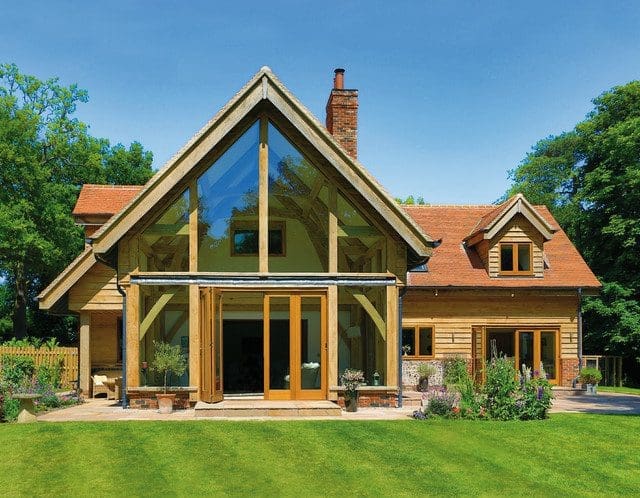
A renovation changes the risk profile of a home overnight. Wiring is exposed, dust hangs in the air, flammable materials get stored on site, and the smoke alarms that normally protect the household may be covered in dust sheets or switched off altogether. We see this pattern often, and it is one of the most overlooked periods for fire risk in an otherwise safe home.
Whether you are renovating a single bathroom or undertaking a full-scale rebuild, protecting your family and property during the works deserves the same attention as the finished result. Good renovation fire safety NZ practice is not a single checklist item, it is a set of habits that need to run for the entire length of the build.
Why Renovations Increase Fire Risk
Most house fires start from an accumulation of small risks rather than one dramatic event. During a renovation, several of those risks appear at once.
- Hot work such as welding, soldering, and angle grinding produces sparks that can travel further than expected
- Timber offcuts, sawdust, and packaging materials build up quickly and burn easily
- Paint, adhesives, solvents, and oily rags are common on site and are more combustible than most homeowners realise
- Temporary power boards and extension leads are often overloaded
- Existing smoke alarms get knocked, covered, or disconnected during the work and are not always reconnected each night
None of these risks are unusual for a renovation. What matters is how deliberately they are managed while the work is underway.
What the NZ Building Code Requires
If your renovation requires a building consent, fire safety is not optional. Under the current Acceptable Solutions for Protection from Fire (C/AS1 and C/AS2), consented alterations must meet the same interconnected smoke alarm requirements as new builds, in line with NZS 4514:2021.
In practice, this means every principal habitable space, hallway, and area near sleeping spaces needs a smoke alarm, and those alarms need to be interconnected so that one activation sounds throughout the home. Our NZ Building Code page breaks this down in more detail if you want to check what your specific consent will require.
For homeowners managing a staged renovation, it is worth confirming this requirement with your building consent authority or main contractor early, rather than treating it as a final-inspection formality.
Protecting Your Home While the Work Is Underway
Building code compliance covers the finished result. Day-to-day safety on site is a separate job, and it falls largely to whoever is coordinating the renovation.
Manage flammable materials properly. Keep paint, solvents, and adhesives in a cool, dry area away from any heat source, and never let oily rags pile up. Rags soaked in linseed oil or certain finishing products can self-heat and ignite without any external spark.
Keep the site clear of debris. Sawdust and offcuts should be cleared daily, not left to accumulate over a weekend. A tidy site is a genuinely safer site, not just a tidier one.
Treat hot work seriously. If welding, soldering, or grinding is happening anywhere near timber framing or insulation, flammable surfaces should be shielded and someone should stay on as a fire watch for a period after the work finishes, since smouldering material can ignite well after the tools are put down.
Do not disconnect existing alarms permanently. It is common for tradespeople to remove batteries from smoke alarms that keep triggering from dust, then forget to restore them. If dust is a genuine problem in one area, cover the alarm temporarily with a proper dust cap designed for the purpose, and remove the cap at the end of each working day.
Keep a working alarm in the site office or garage. If tools, chargers, or flammable stock are stored in a garage during the build, that space needs its own detection, and a standard smoke alarm is often the wrong choice for a dusty, fume-prone environment.
Choosing the Right Protection for a Renovation
This is where a lot of households get caught out. A dusty renovation zone is exactly the kind of environment where a standard photoelectric smoke alarm will nuisance-trigger constantly, which is what leads people to disable it in the first place.
We supply the CAVIUS range specifically because it is built around this problem. Wireless interconnected CAVIUS smoke alarms can be added to a home’s existing network without any rewiring, which matters when parts of the house are mid-renovation and running new cable is not practical. For garages, workshops, and any space generating dust or fumes, a CAVIUS heat alarm detects a genuine rise in temperature rather than airborne particles, so it stays reliable throughout the build instead of becoming the alarm everyone learns to ignore.
Our full all products range covers both options, and units can be mixed and matched as the renovation progresses from demolition through to final fit-out.
A Quick Reference Checklist
For anyone managing a renovation day to day, it helps to have a short list that can be run through at the start and end of each working day.
- Flammable liquids stored away from heat sources and sealed properly overnight
- Oily rags and finishing cloths disposed of in a metal container, never left in a pile
- Sawdust and offcuts cleared before the site is left unattended
- Power boards checked for overloading, particularly where site lighting and tools share one circuit
- Every existing smoke alarm either working or properly capped, never silently disconnected
- A clear, unobstructed path to at least one exit from each level under construction
- Fire extinguisher accessible near any area where hot work has taken place that day
Insurance and Liability Considerations
It is worth checking your home insurance policy before major work begins. Many insurers ask whether the property is undergoing renovation and may adjust cover or conditions accordingly, particularly if the home is unoccupied for periods during the build. A fire that starts because of undeclared building work, or because basic fire safety precautions were not followed, can complicate a claim at exactly the time you need it to go smoothly. A quick call to your insurer alongside your building consent application is a small step that avoids a much larger problem later.
Frequently Asked Questions
Do I need smoke alarms during the renovation itself, or only once it’s finished? If people are living in the home while work is underway, existing alarms should stay active throughout, not just once the final code inspection is booked. The building consent requirements apply to the finished result, but day-to-day safety during construction is the household’s responsibility.
Can I just cover a smoke alarm with tape to stop it triggering from dust? This is one of the most common and most risky habits on a renovation site. Tape or a plastic bag can trap dust against the sensor permanently and stop the alarm working even after it is removed. A purpose-made dust cover, removed at the end of each day, is a safer option.
What is the most overlooked fire risk during a typical NZ renovation? Oily rags and finishing products left in a pile are consistently underestimated. Many timber oils and stains are capable of self-heating and igniting without any spark or flame nearby, and this can happen hours after the rags were used.
Bringing It All Together
A renovation is temporary, but the consequences of a fire during one are not. Treating fire safety as an active, daily responsibility, rather than something covered by the final building inspection, protects both the people living through the build and the home they are investing in. Keep flammable materials contained, keep the site clear, keep hot work supervised, and keep a working alarm in every space that needs one, including the ones under a dust sheet.