
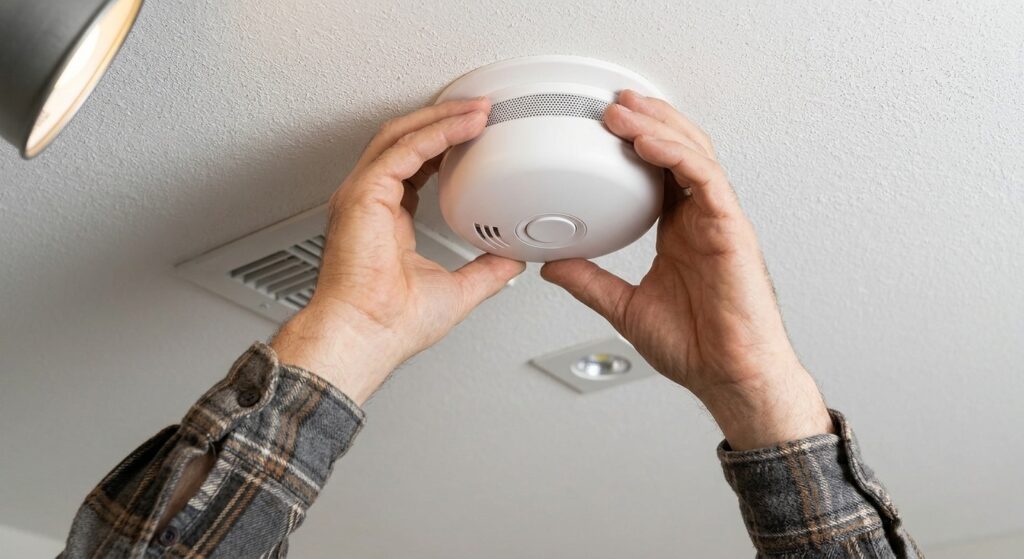
The Healthy Homes Standards get most of their attention for insulation and heating, but the smoke alarm requirements sitting alongside them carry the same weight, and the same penalties for getting it wrong. If you manage rental property in New Zealand, this is one compliance area worth checking properly rather than assuming a previous inspection covered it.
Where These Requirements Actually Come From
Smoke alarm obligations for rental properties sit in the Residential Tenancies (Smoke Alarms and Insulation) Regulations 2016, which work alongside the wider Healthy Homes Standards framework. A healthy homes smoke alarm check is not optional paperwork, it is a legal requirement with financial consequences for landlords who do not meet it, including penalties that can run into the thousands of dollars per breach.
What the Regulations Actually Require
Alarm type. Only photoelectric smoke alarms meet the standard. Ionisation alarms, which were common in older installations, do not comply and need to be replaced.
Power source and lifespan. Alarms must be either hardwired to the mains or battery-powered with a 10-year sealed, non-replaceable battery. A standard 9-volt battery alarm that a tenant needs to replace themselves does not meet the requirement.
Placement. A working alarm needs to sit within 3 metres of every bedroom door, with at least one qualifying alarm on every level of the home in a habitable space.
Working order at all times. Alarms must be working at the start of every new tenancy and must remain in working order for the duration of it, which places ongoing responsibility on the landlord, not just a one-off installation.
Your Landlord Smoke Alarm Check, Room by Room
Run through the property with this in mind rather than relying on memory of what was installed originally.
• Confirm every bedroom has a compliant alarm within 3 metres of the door
• Confirm at least one alarm exists on every storey, even where no bedroom is on that level
• Check the label on each unit for “photoelectric” and a 10-year battery life or hardwired connection
• Replace any ionisation alarm found during the check, regardless of how recently it was installed
• Test every alarm at the start of a new tenancy, and document that the test was carried out
Why This Gets Missed
A lot of non-compliance is not deliberate. Older rental properties often have alarms installed under previous, less strict rules, and nobody revisits them once a tenancy is underway. Property managers juggling multiple compliance areas can also treat smoke alarms as a lower priority than insulation or heating, when in practice the alarm requirements are just as enforceable.
Meeting the Standard Properly
We supply the CAVIUS photoelectric range specifically built around this compliance framework, with 10-year sealed battery options that remove the ongoing battery-replacement burden a tenant might otherwise forget. Wireless interconnection is also available where a property benefits from every alarm sounding together, which exceeds the base Healthy Homes requirement while adding a genuine safety improvement for tenants.
Our NZ Building Code page covers the wider regulatory picture if you are managing a portfolio across both older and newer stock, and it is worth reading alongside the specific Healthy Homes obligations above. Our earlier piece on the Residential Tenancies Act and smoke alarms covers the wider legal context in more depth if you want the full picture beyond alarms alone.
Frequently Asked Questions
Does a Healthy Homes smoke alarm check apply to every rental property, or only newer ones?
It applies to every rental property regardless of age. Older properties are not exempt simply because the alarms were compliant under a previous set of rules.
Who is responsible for testing the alarm during a tenancy, the landlord or the tenant?
The landlord carries the legal responsibility for ensuring alarms are working at the start of the tenancy and remain working throughout it, even though a tenant reporting a fault promptly helps in practice.
Can a landlord be penalised for an ionisation alarm that was already installed when they bought the property?
Yes. The compliance obligation sits with the current landlord regardless of when or by whom the alarm was originally installed, so a check at the start of ownership is worthwhile.
The Bottom Line
A Healthy Homes smoke alarm check is a specific, checkable set of requirements, not a vague box to tick. Confirm alarm type, placement, and working order property by property, and treat it with the same seriousness as the insulation and heating standards it sits alongside.