
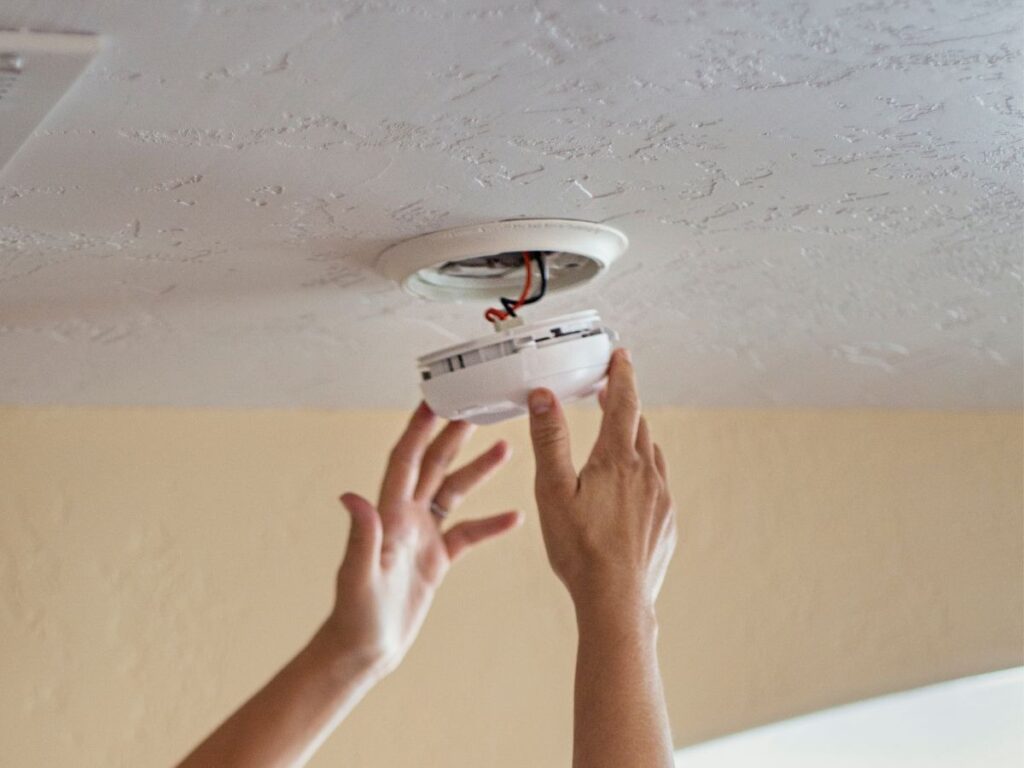
Installing a smoke alarm is only the first step in protecting your home. To keep your alarm working at its best, you need to maintain it regularly. Dust, insects, expired batteries, or simple neglect can all impact your alarm’s ability to function when it matters most.
In this article, we’ll explain how to maintain your smoke alarm and ensure it stays reliable for the full 10-year lifespan. These tips are simple, quick, and essential for every New Zealand household.
Why Smoke Alarm Maintenance Matters
A well-maintained smoke alarm:
- Detects smoke quickly and accurately
- Minimises false alarms
- Extends the life of the unit
- Meets NZ home safety and rental compliance standards
Neglecting maintenance can result in:
- Unresponsive or faulty alarms
- Annoying false beeps or chirps
- Reduced warning time during an emergency
Regular care keeps your alarm ready to alert you in case of fire—and protects everyone in your home.
1. Test Your Alarm Monthly
Press and hold the test button on your smoke alarm once a month. The alarm should sound within a few seconds. This confirms that the internal circuitry and power source are working correctly.
If the sound is weak or doesn’t play:
- Check the battery (if applicable)
- Clean the unit to remove dust or insects
- Replace the alarm if it’s expired or faulty
Wireless alarms should also trigger other interconnected alarms during a test. Make sure all units respond.
For more setup help, refer to our photoelectric alarm guide.
2. Clean the Alarm Every 6 Months
Dust, cobwebs, and insects can block sensors or cause false alarms. Cleaning your smoke alarm twice a year helps it stay sensitive to real threats.
How to clean your smoke alarm:
- Use a soft brush or vacuum cleaner with a brush attachment
- Gently vacuum the outer vents and casing
- Avoid using water, cleaning sprays, or compressed air
- Do not open the unit casing or poke anything into the vents
If insects are a recurring issue, consider placing an insect repellent strip nearby—but never inside the unit.
3. Know What Beeping Means
A regular short beep every 48 seconds is typically a low battery warning or end-of-life alert. For Cavius alarms:
- This signal will continue for up to 30 days before shutdown
- Only the affected alarm will beep—others in the network won’t sound
Don’t ignore the chirping—it’s your alarm telling you it needs attention. Depending on your model, it may be time to:
- Replace the battery
- Replace the entire unit if it’s expired
- Reset the unit after clearing a false alarm
Learn more in our troubleshooting guide.
4. Check the Expiry Date
Smoke alarms should be replaced every 10 years, regardless of whether they still appear to function. Sensor performance degrades over time, which can delay or prevent detection.
To check expiry:
- Remove the alarm from its base (twist counterclockwise)
- Look for a manufacture or expiry date on the back
- If it’s approaching or past 10 years, replace it immediately
Cavius alarms have a 10-year lifespan, including models with sealed batteries, meaning no battery changes are required during their service life.
5. Keep Alarms Clear and Accessible
Make sure alarms aren’t blocked by:
- Furniture
- Decorations
- Ceiling fans or extractor vents
Don’t paint over alarms or place items too close to them, as this can impact their ability to detect smoke.
Also, make sure everyone in the household knows where the alarms are and how to test or hush them if needed.
6. Record Maintenance Dates
It’s easy to forget when your last test or clean was. Consider:
- Setting calendar reminders on your phone
- Marking testing and cleaning dates on a wall planner
- Noting expiry dates for future replacements
For landlords, documenting maintenance is especially important to meet tenancy obligations.
Final Thoughts
Knowing how to maintain a smoke alarm is essential to ensuring it stays reliable for the long term. Monthly testing, twice-yearly cleaning, and end-of-life awareness are all small tasks that make a big impact.
Whether you’re protecting your family or managing a rental property, a maintained smoke alarm is one of the simplest, most effective safety tools you can have.
To explore long-life, low-maintenance smoke alarms that meet NZ standards, visit the Cavius NZ product range or speak to your installer for expert guidance.