Standalone Heat Alarms

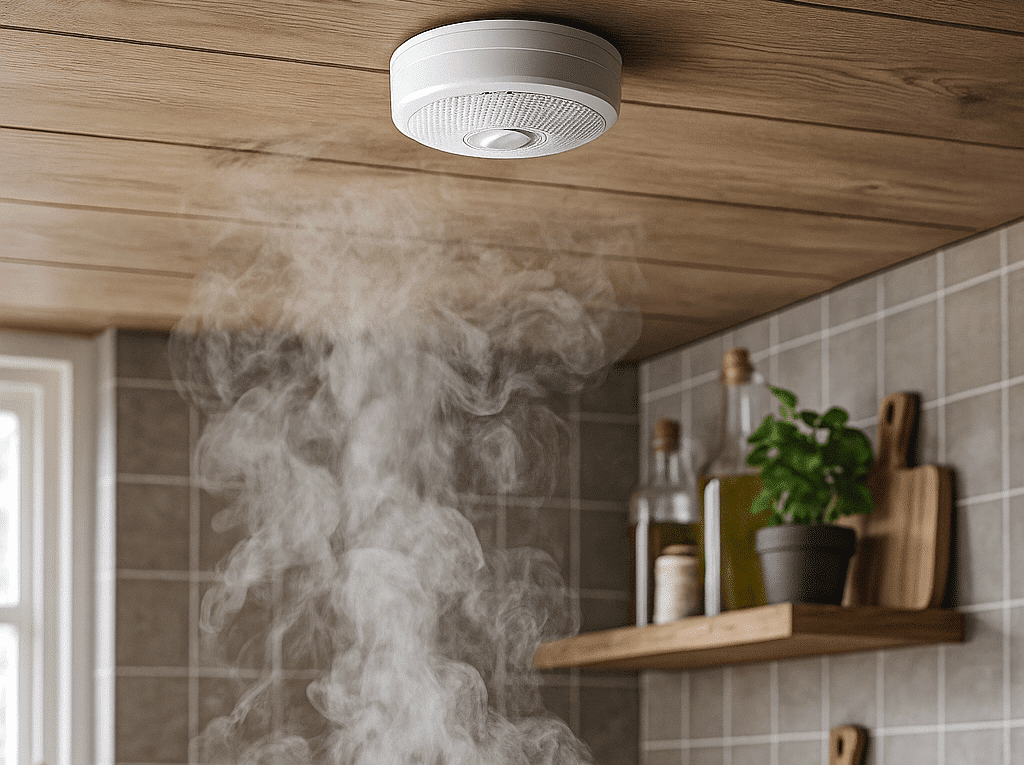
Smoke alarms are essential in bedrooms, hallways, and living areas — but in kitchens, garages, and laundries, they’re prone to false alarms from cooking fumes, steam, and dust. That’s where standalone heat alarms come in. Designed to detect a rapid rise in temperature rather than smoke particles, they provide reliable fire protection in high-risk areas without the nuisance of unnecessary alerts.


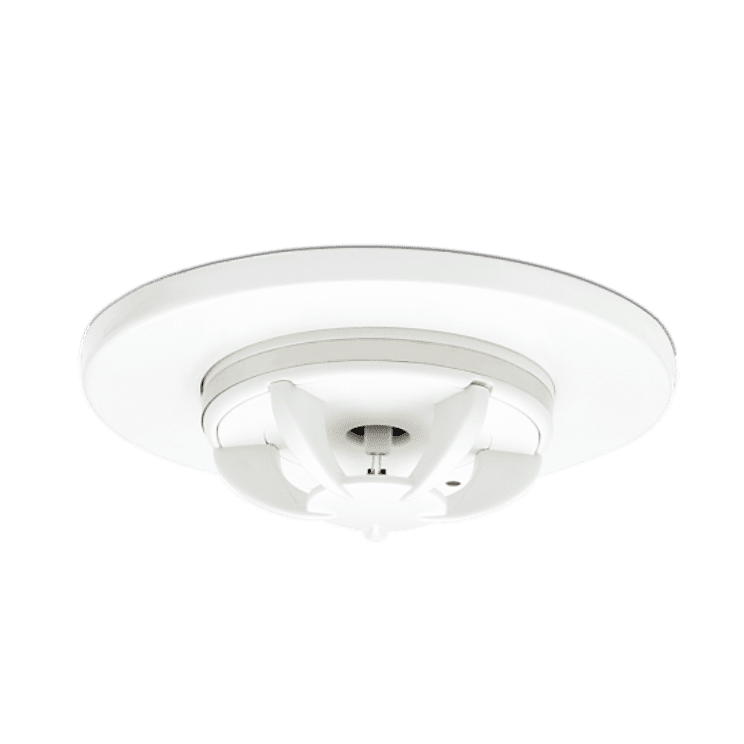
10 Year Battery Operated Thermal Heat Alarm (CAVIUS Nano Range)

10 Year Battery Operated Thermal Heat Alarm (CAVIUS Nano Range)
Product Code:
3004 CAVTH10
Core Technology
10 Year Battery
Recess Kit

Where should a heat alarm be installed?

Heat alarms are recommended for any room where a smoke alarm would be regularly triggered by normal activity. The most common installation locations are:

  • Kitchen: cooking fumes, steam, and toast are the most frequent causes of false alarms
  • Garage: dust, vehicle exhaust, and power tools can all trigger smoke detection
  • Laundry: steam from dryers and washing machines can cause false alerts
  • Workshop: sawdust and other airborne particles are problematic for smoke detection 

For all other rooms: bedrooms, hallways, and living areas, a smoke alarm remains the correct choice.

heat alarm in kitchen

Do heat alarms meet the NZ Building Code?

For existing homes and rental properties, standalone heat alarms are a compliant solution for the areas outlined above. If you’re specifying for a new build or consented renovation, the updated NZ Building Code (November 2024) requires interconnected smoke alarms under NZS 4514:2021 — in this case, you’ll want our wireless heat alarms, which connect to the rest of your alarm system. Visit our NZ Building Code page for full details.

Frequently asked questions

What temperature does a heat alarm trigger at?

Heat alarms are designed to respond to a fixed temperature threshold (typically around 58°C) or a rapid rate of temperature rise, depending on the model. This makes them well-suited for areas like kitchens and garages where ambient temperatures can fluctuate significantly.

Not as a direct replacement. Smoke alarms are required in bedrooms, hallways, and living areas because they detect the early stages of a fire before heat becomes significant. Heat alarms are a complement to smoke alarms, used in rooms where smoke detection isn’t practical. For best protection, you need both types in the appropriate locations.
for new builds and consented renovations, the 2024 NZ Building Code update requires all alarms — including heat alarms — to be part of an interconnected system. In those cases, choose from our wireless heat alarm range instead.
Our standalone heat alarms feature a 10-year sealed lithium battery, so there’s no need to replace batteries during the alarm’s lifetime.

Available at the countries best outlets