Wireless Heat Alarms

Even the most complete wireless interconnected system has rooms where a smoke alarm isn’t suitable — kitchens, garages, and laundries are all prime candidates for false alarms. Wireless heat alarms solve this problem by detecting a rapid rise in temperature rather than smoke particles, while remaining fully connected to your CAVIUS Wireless Family system. When a wireless heat alarm triggers, every smoke alarm in the home sounds too — ensuring no one in the property is left unaware.

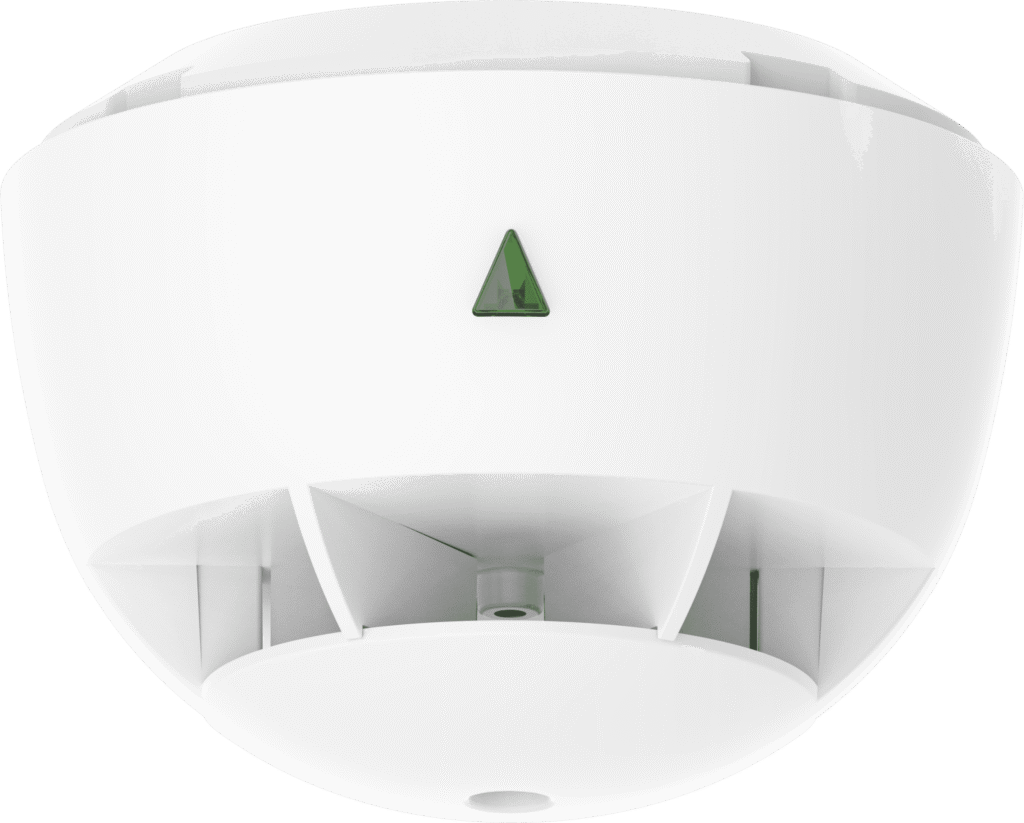
Mini 10 Year Wireless Interconnected Heat Alarm (WATCHMAN Range)

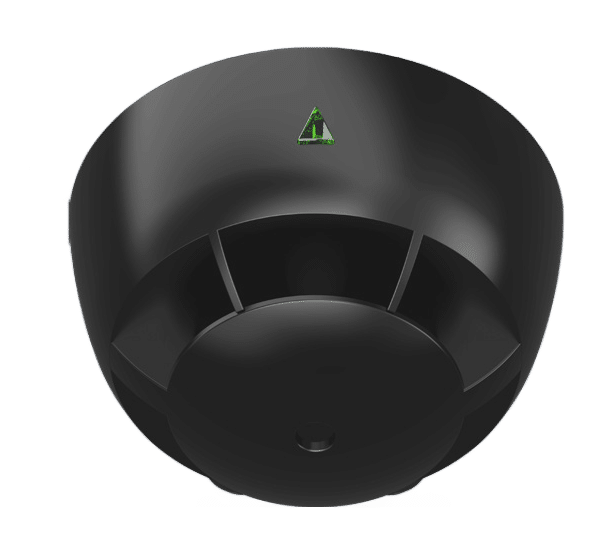
Mini 10 Year Wireless Interconnected Heat Alarm (WATCHMAN Range) Black V2
Product Code:
AJ-770T4-BK
Colour:
Black

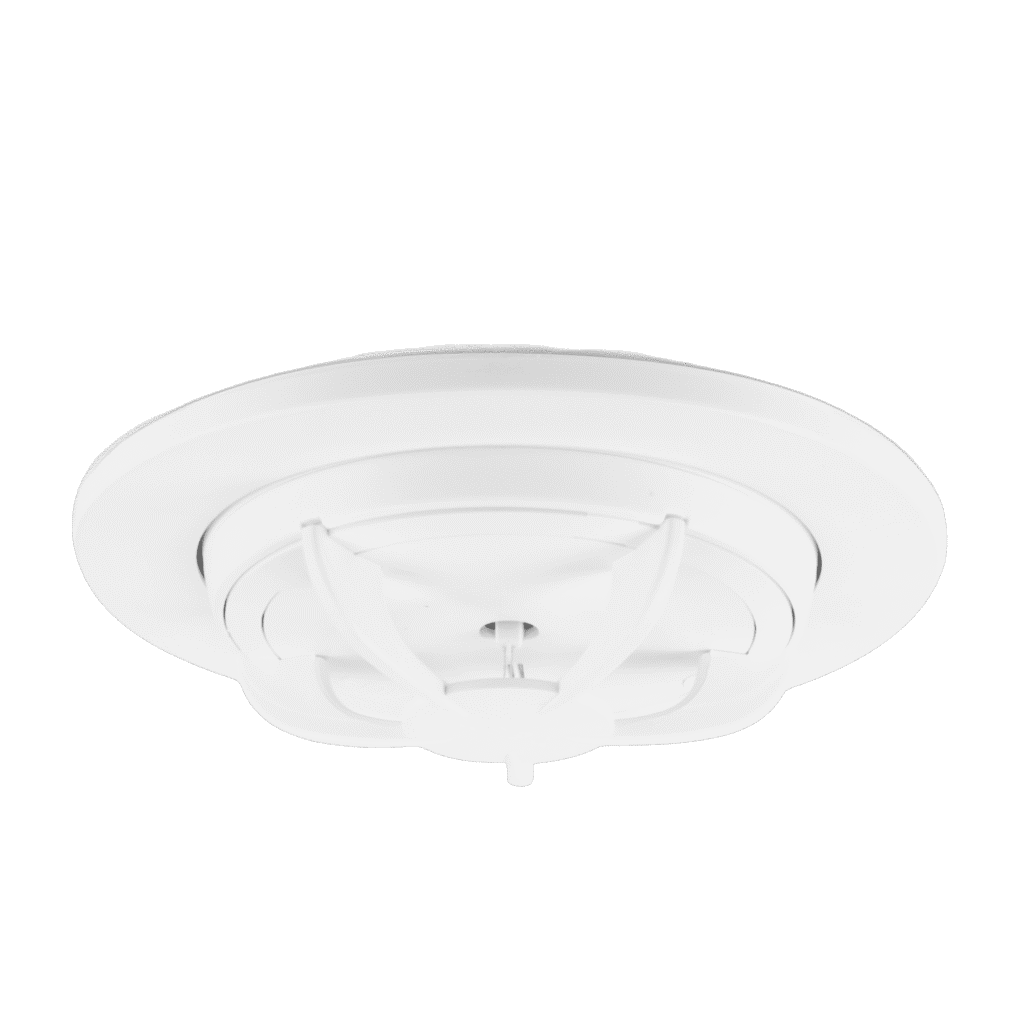
10 Year Battery Operated Heat Alarm (CAVIUS Wireless Range)

3107-CAVTH10WF-RK
Product Code:
3107 CAVTH10WF
Core Technology
10 Year Battery
Wireless Interconnectivity

10 Year Battery Operated, Interconnected Heat Alarm (WATCHMAN Range)

10 Year Battery Operated, Interconnected Heat Alarm (WATCHMAN Range) AJ-770T4
Product Code:
AJ-770T4

Where should a wireless heat alarm be installed?

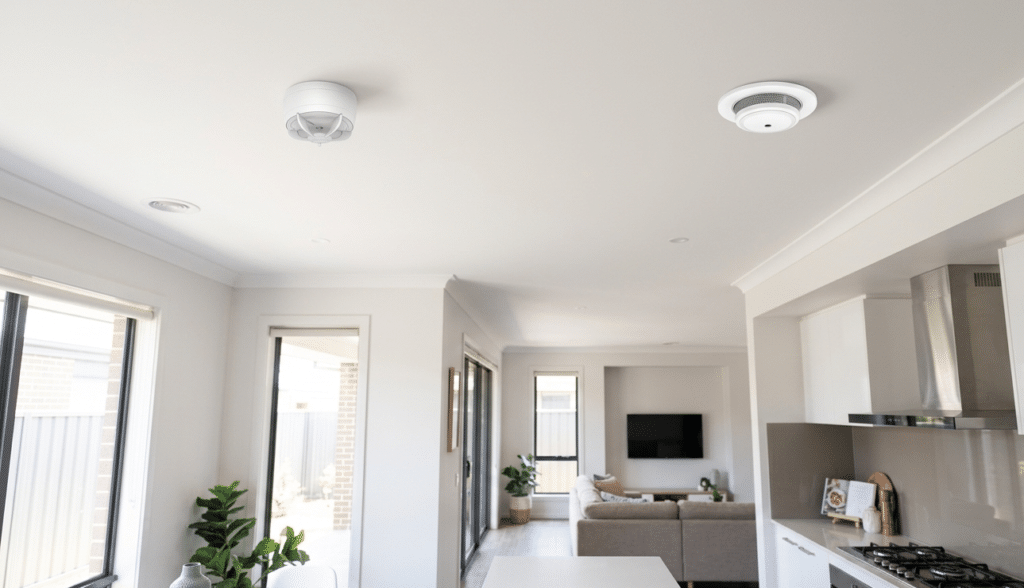
Wireless heat alarms are recommended for any room where normal activity is likely to trigger a smoke alarm:

  • Kitchen: the most common source of nuisance alarms; a heat alarm is the correct solution here
  • Garage: vehicle exhaust, dust, and power tools can all trigger false smoke detection
  • Laundry: steam and airborne lint from dryers are problematic for optical smoke sensors
  • Workshop:  fine particulates from sanding, sawing, or grinding can cause false alerts

All other rooms — bedrooms, hallways, and living areas — should have smoke alarms, not heat alarms.


home fire safety solution with both smoke and heat alarms.

How does a wireless heat alarm connect to the system?

CAVIUS wireless heat alarms use the same built-in RF technology as all Wireless Family products. They connect to the rest of the system using the same simple Link mode process — no wiring, no internet, and no additional hardware required. Once linked, a triggered heat alarm will activate all other alarms in the system.

NZS 4514:2021 compliance

All CAVIUS wireless heat alarms comply with BS5446-2:2003 and are NZ Building Code and NZS 4514:2021 compliant — making them a fully accepted part of a compliant interconnected system for new builds and consented renovations. For full compliance guidance, visit our NZ Building Code page.

Frequently asked questions

What temperature does a wireless heat alarm trigger at?
CAVIUS wireless heat alarms are designed to trigger at a fixed temperature threshold or in response to a rapid rate of temperature rise. This makes them reliable in environments with high ambient temperatures — such as kitchens on a hot day — without generating nuisance alarms.
Yes. CAVIUS wireless heat alarms are part of the Wireless Family range and are compatible with all other CAVIUS Wireless Family products, including battery operated smoke alarms, mains powered smoke alarms, the smart remote, and the SmartSense hub. Adding a heat alarm to an existing system takes less than a minute using Link mode.
Under NZS 4514:2021, smoke alarms are required in all rooms where people sleep or spend time — but a heat alarm is the appropriate solution for kitchens. The standard specifically acknowledges that kitchens are a nuisance alarm risk and recommends a heat alarm in that location as part of a compliant system. For full guidance, visit our NZ Building Code page.

Available at the countries best outlets